
News News Official
Former Marathon Director Joe Ziegler Reveals Major Creative Disagreements During Development
Marathon did not always have a unified creative direction. In an interview published by PC Gamer on October 18, 2026, former game director Joe Ziegler describes joining a project marked by substantial internal disagreements. His initial role involved helping different teams develop a cohesive vision before he took over as director in March 2024. The comments offer new context for Bungie's extraction shooter, which launched in March 2026 and is now undergoing a major evolution.
 By Maëlle Marathon
Joe Ziegler Reflects on His Time at Bungie
Marathon is still generating discussion months after release, but the latest comments come from a former project leader rather than its current development team.
Joe Ziegler, who previously directed Valorant, spoke with PC Gamer about his career and the games that shaped his interests.
During the conversation, he explained how he became involved with Bungie.
Former colleagues from Pandemic Studios helped connect him with the company.
At the time, Bungie was already developing its new version of Marathon.
Ziegler did not immediately take charge of the project.
He initially worked as an adviser, helping the team clarify its intended direction.
That advisory relationship eventually developed into a leadership role when Bungie asked him to direct the game.
A Project With Competing Creative Visions
Ziegler explains that joining an established production can be particularly challenging.
Some teams share a clear understanding of what they want to create.
Others contain people pursuing substantially different ideas.
According to the former director, Marathon involved significant differences of opinion.
Certain elements of its direction were already established, but many disagreements remained.
The immediate challenge was therefore not simply polishing a mechanic or preparing another demonstration.
The team first needed to agree on what kind of game it was making.
That distinction matters.
Ziegler does not provide an exhaustive list of cancelled features or name individuals responsible for specific conflicts.
He describes a broader difficulty in reconciling multiple creative ambitions.
His Initial Task Was Bringing Ideas Together
The former director says he tried to bring the project's different perspectives into a cohesive vision.
When a team has several competing priorities, even ordinary development decisions can become difficult.
Should a game emphasize competition, exploration, progression or direct player conflict?
Those questions illustrate the kinds of design decisions an extraction shooter may face, although Ziegler does not specifically identify each one as an internal disagreement.
His testimony establishes the importance of deciding where the project should go before coordinating the work required to get there.
Once a shared direction existed, his responsibility was to help the team execute it.
Why Marathon Was a Particularly Complex Project
Marathon differs from the games that originally established Bungie's reputation.
The studio is famous for Halo and Destiny, franchises that helped define console shooters and shared-world multiplayer experiences.
Marathon uses a different structure.
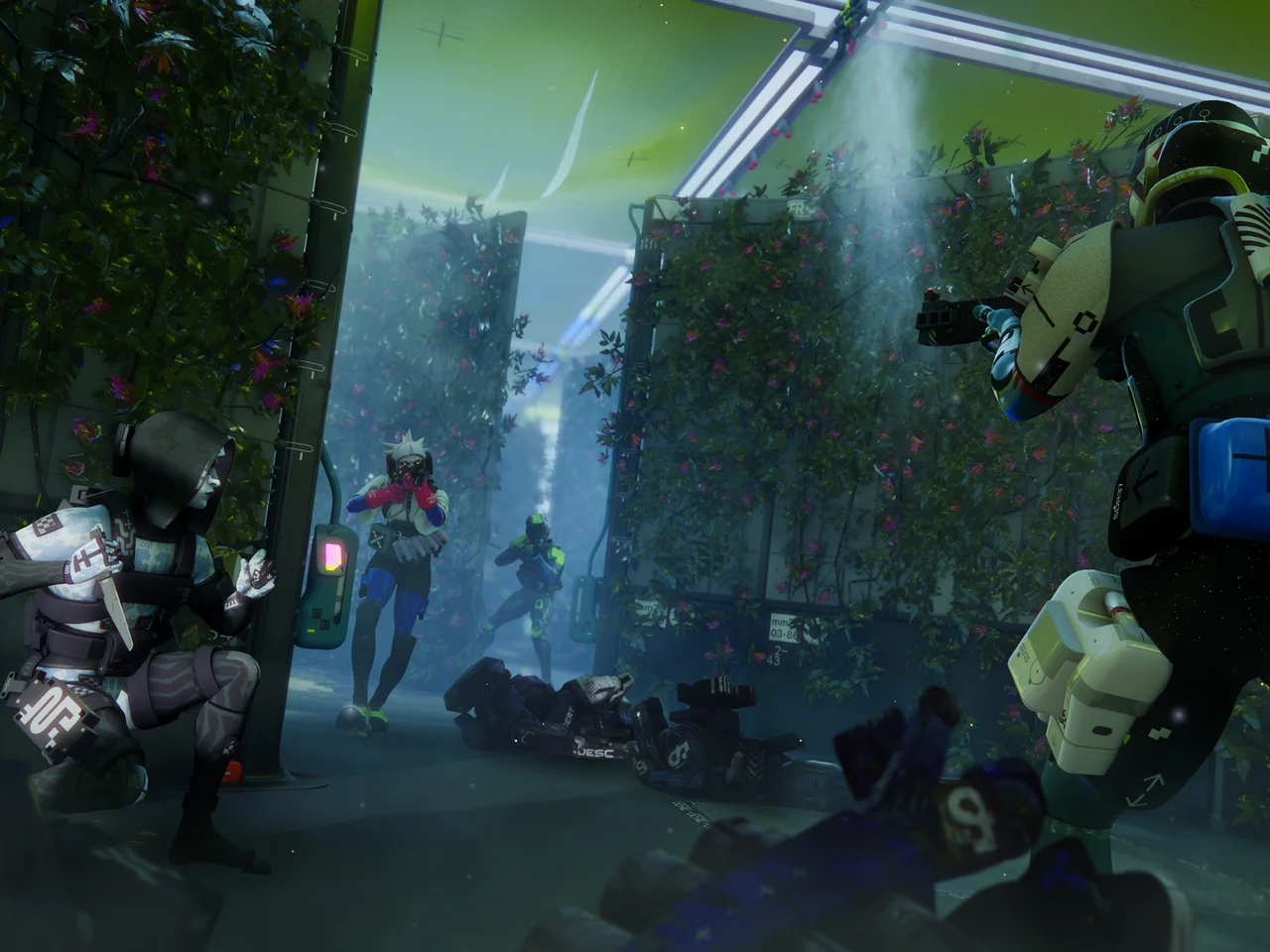
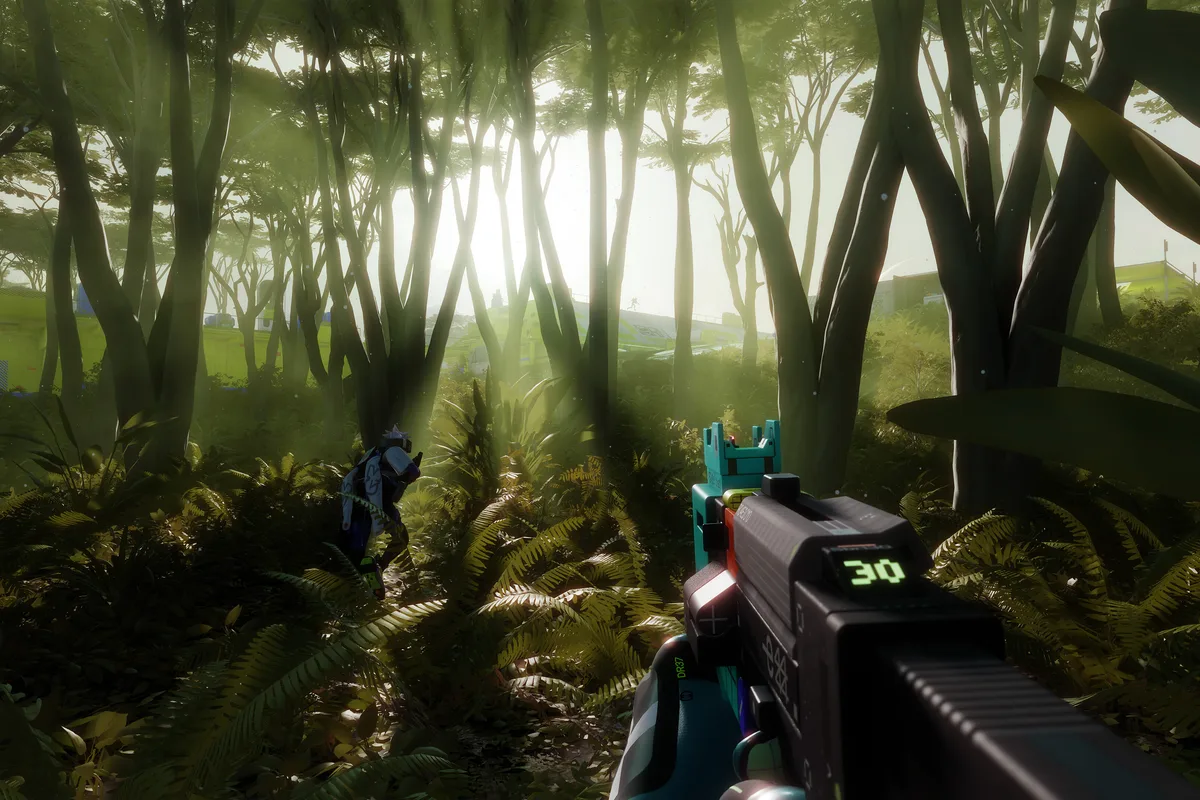
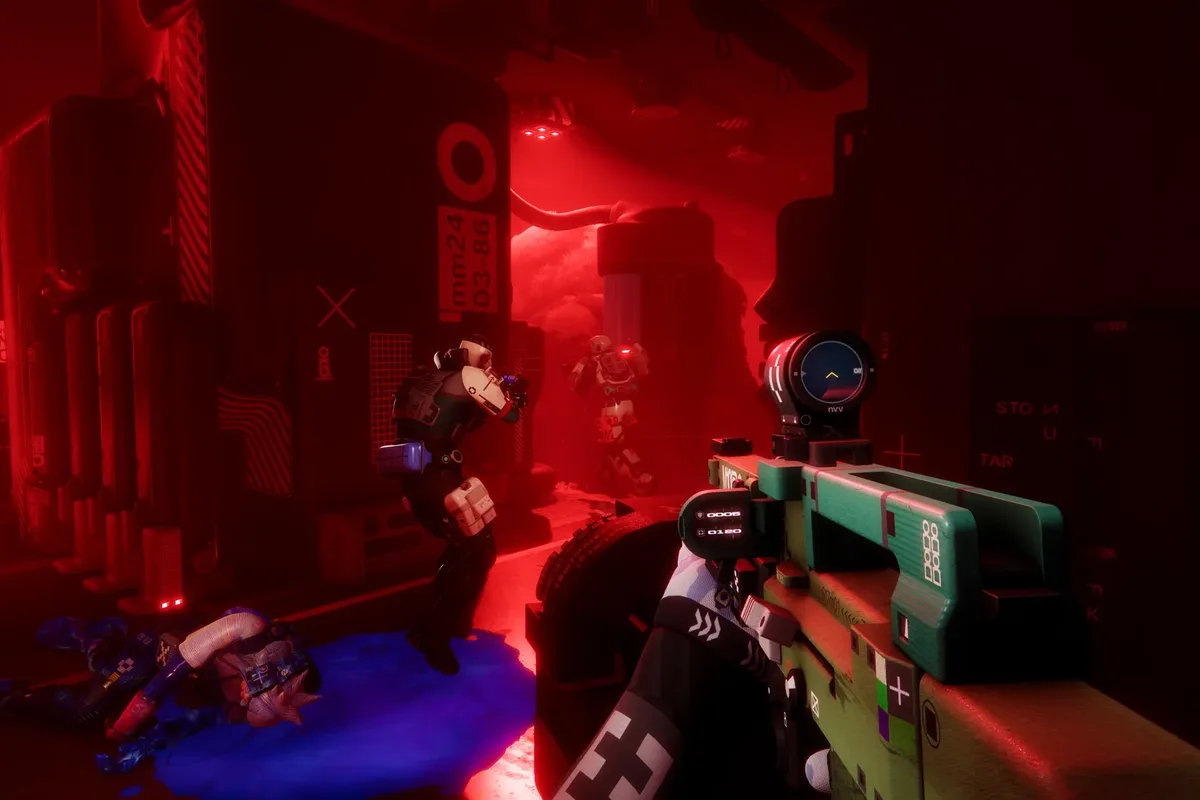
Players control Runners exploring Tau Ceti IV in search of valuable resources.
They face computer-controlled threats and competing player teams.
Survival matters because failed extractions can mean losing valuable equipment.
Such a design needs to balance intense competition with systems that new players can understand.
That does not prove the disagreements described by Ziegler concerned that specific balance.
It does illustrate the complexity of coordinating design decisions on this kind of game.
Ziegler Also Praises Bungie's Culture
The interview is not simply a criticism of his former employer.
Ziegler emphasizes a quality he appreciates about Bungie: its willingness to accept outside perspectives.
He argues that the company operates under the considerable legacy of Halo and Destiny.
Those franchises create pressure and expectations for its developers.
At the same time, he describes a studio that tries to identify its weaknesses and improve.
In his experience, Bungie has been willing to bring in new people who can provide fresh perspectives.
The contrast is important.
A project can experience substantial creative disagreement without every participant refusing to cooperate.
That more nuanced interpretation is part of Ziegler's account.
The Launch Fell Short of Some Expectations
Marathon eventually launched on March 5, 2026, for PC, PlayStation 5 and Xbox Series X|S.
Its reception was mixed, and Bungie acknowledged in September that the game had not reached as many players as the studio wanted.
The company has also discussed concerns involving progression, accessibility of its systems and the variety of experiences available.
However, these issues cannot automatically be attributed to the earlier creative disagreements.
Ziegler does not provide a complete causal explanation for the game's launch performance.
His account offers insight into one aspect of development rather than a definitive diagnosis of its commercial results.
It would therefore be excessive to claim that internal disagreements alone explain the game's reception.
Marathon Is Still Evolving
Bungie has not announced the cancellation or abandonment of Marathon.
On September 24, the game's current leadership presented a roadmap for substantial changes.
A refresh to progression, rewards and the live experience is planned for October.
December's Symbiosis update is intended to introduce a permanent PvE experience, another Runner Shell and improved onboarding.
A larger evolution is scheduled for March 2027.
It includes plans for deeper progression, additional narrative content and connected PvE, PvP and PvEvP experiences.
These are elements of Bungie's current development plans.
They should not be presented as already fully released or as new announcements made by Ziegler.
Ziegler Is Now Working on Something Else
Following Marathon's release, Joe Ziegler left Bungie.
In his interview, he says he is currently working on another project.
He has not revealed its title, development studio or platforms.
His broader comments nevertheless provide insight into the experiences he enjoys.
He discusses his interest in games built around system mastery and experimentation.
Path of Exile is one example, particularly because of its extensive character-building possibilities.
Those personal interests do not establish the genre of his next project.
No official announcement currently connects that undisclosed work to Marathon, Bungie or Valorant.
An Insight Into Development, Not a Prediction
Ziegler's comments provide a useful glimpse into the difficulty of defining a major new multiplayer project.
They indicate that Marathon required considerable work to bring competing creative perspectives together.
They also show that its former director retains a positive view of Bungie's collaborative culture.
For players, the immediate question now concerns the future of the released game.
Marathon has launched, and its current leadership has outlined a new direction.
The coming months will reveal whether planned changes make the shooter more approachable and appealing to a wider audience.
Ziegler's interview does not answer that question. It illustrates something more fundamental: before a major project can convince players, its creators need to agree on what they are trying to build.