
News News Official
PlayStation Pulse pre-orders open at €99.99 ahead of November 19 release
Sony opened pre-orders for the new PlayStation Pulse Wireless Headset on October 29, 2026, with a recommended European price of €99.99 and a release scheduled for November 19. First announced in September, the headset features custom planar magnetic drivers, simultaneous PlayStation Link and Bluetooth connectivity, and an integrated microphone with AI-enhanced noise rejection. It will be available in White and Midnight Black. The more advanced Pulse Edge is planned for early 2027.
 By Maëlle
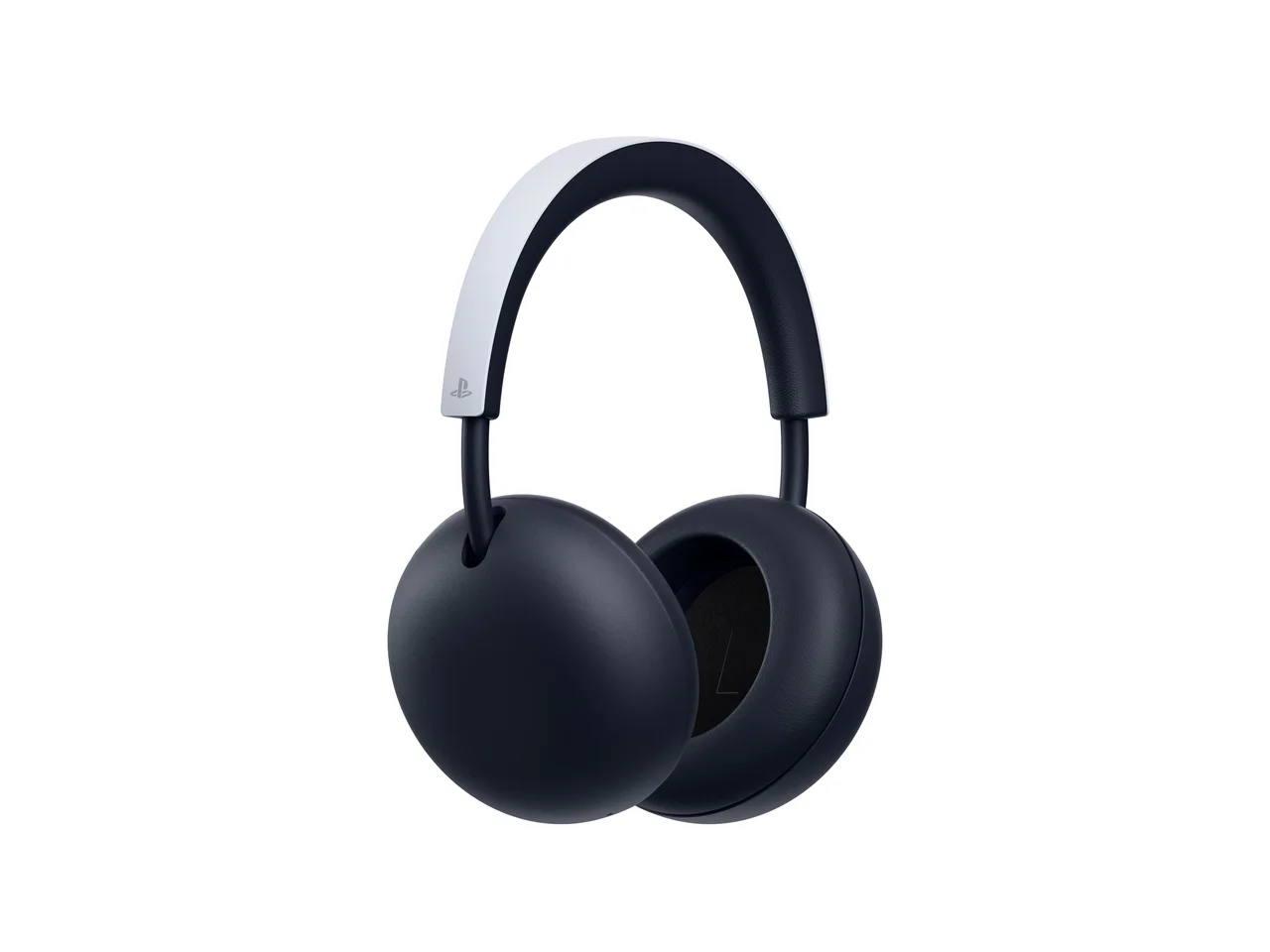
Sony's next standard PS5 wireless headset is now available to pre-order. The PlayStation Pulse costs €99.99 in participating European markets and is scheduled to launch on November 19.
This is not the previously released Pulse Elite or the forthcoming premium Pulse Edge. It is a new entry in Sony's official audio lineup, aimed at players seeking planar magnetic sound without moving into the higher-priced category.
Sony originally introduced the headset in September and confirmed its price and release date on October 21. The October 29 development is the opening of pre-orders.
Planar magnetic drivers at a lower price point
The new Pulse uses custom planar magnetic drivers, a technology Sony previously offered in the Pulse Elite.
Planar drivers move a thin diaphragm through a magnetic field, rather than using the conventional dynamic-driver arrangement found in many gaming headsets.
Sony says its larger new drivers deliver stronger bass while maintaining accurate sound separation and spatial detail.
Those qualities could be helpful in games where players need to identify footsteps, weapon sounds and other directional cues.
However, driver technology alone does not determine overall sound quality.
Tuning, ear-cup sealing, comfort and frequency balance will all affect how the headset performs.
Independent listening tests are therefore essential before treating it as an automatic upgrade over competing dynamic headsets.
PlayStation Link and Bluetooth can operate together
The headset supports Sony's PlayStation Link wireless connection system.
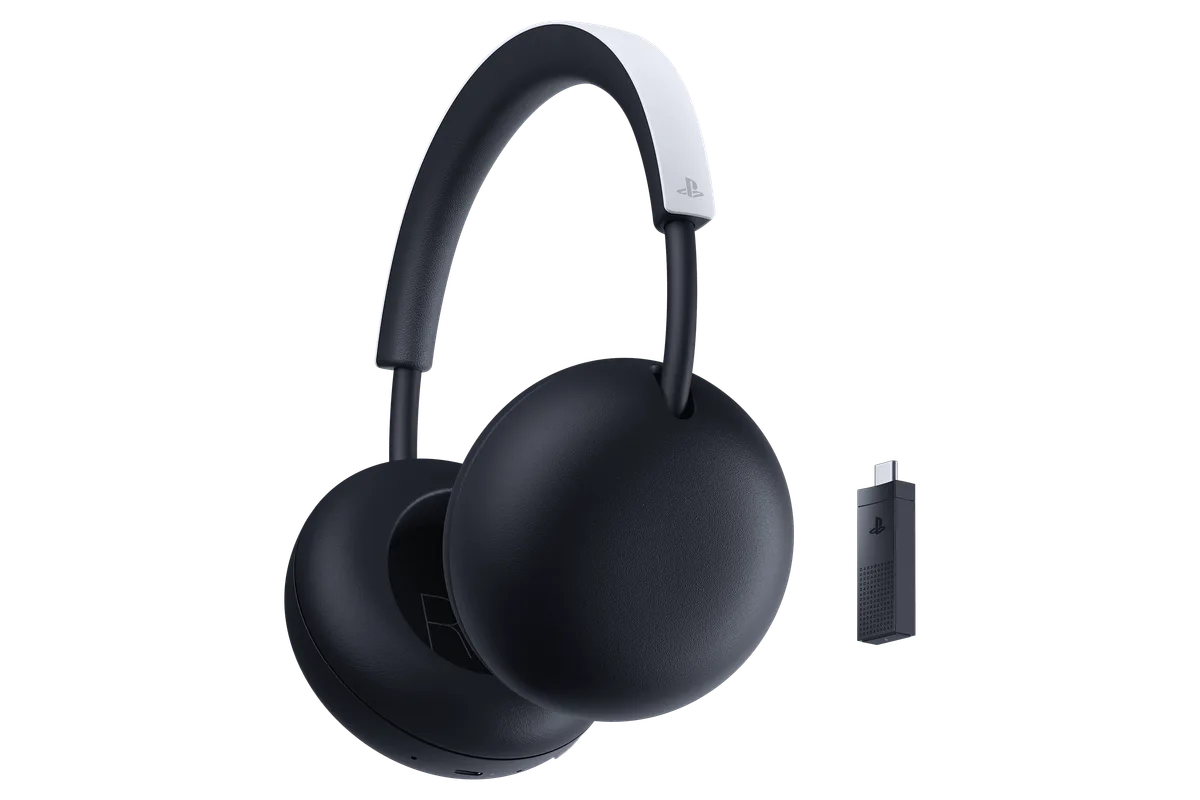
A USB-C PlayStation Link adapter is included, providing low-latency audio connectivity with compatible devices.
The headset supports PS5 consoles, PlayStation Portal, PCs and Macs in supported configurations.
It can also connect to compatible Bluetooth devices simultaneously.
For example, a player may receive game audio over PlayStation Link while maintaining a Bluetooth connection with a smartphone.
The dual-connection capability makes the headset potentially useful beyond a single console.
However, Bluetooth compatibility should not be confused with universal support for every PlayStation Link-specific feature.
The built-in microphone uses AI noise rejection
The standard Pulse includes an integrated microphone with AI-assisted background-noise rejection.
Sony intends the processing to reduce distracting environmental sounds during voice chat.
The technology may help when players communicate near a fan, keyboard or other sources of background noise.
However, microphone noise rejection is different from active noise cancellation for the listener.
The standard Pulse does not feature active noise cancellation.
Microphone quality and noise-filtering performance will need to be assessed under real gaming conditions.
The design emphasizes portability
Sony has redesigned the headset with more rounded ear cups and a refreshed headband shape.
The ear cups rotate so the headset can lie flat when stored or transported.
The company also highlights comfort and durability.
Those claims remain to be assessed through extended use.
Weight distribution, clamping pressure and the materials used around the ear cups can all influence comfort during long sessions.
The model launches in White and Midnight Black.
Pulse Edge will offer more advanced features
Sony's new audio lineup includes the standard Pulse and the premium Pulse Edge, which is expected in early 2027.
The standard headset uses four magnets per planar driver, while Pulse Edge uses eight.
Pulse Edge also adds active noise cancellation, a detachable boom microphone, an audio and microphone jack, built-in PS5 game/chat balance controls and a carrying case.
Those features are not included with the standard Pulse.
The regular headset does provide volume controls and its built-in AI noise-rejection microphone.
Sony has not announced a final price or specific release date for Pulse Edge.
Buyers who require ANC or wired audio support should consider that difference before ordering the standard model.
The value proposition still needs real-world testing
At €99.99, the Pulse enters a competitive category of wireless gaming headsets.
Its custom planar drivers and PlayStation Link connectivity are clear differentiators.
But technical specifications do not establish superior comfort, battery endurance or sound quality on their own.
Owners of a working Pulse Elite may not find the new standard model to be a straightforward upgrade.
For players using an older Pulse 3D or a basic wired headset, it could be a more relevant replacement option.
Independent reviews will need to examine acoustic balance, microphone performance, connection reliability and durability.
Pre-orders are open ahead of the November launch
Sony opened European pre-orders on October 29 at 10 a.m. local time in participating markets, including France, Germany and the United Kingdom.
In the United States, direct pre-orders opened at 7 a.m. Pacific time.
Recommended pricing is €99.99 in Europe, £89.99 in the United Kingdom and $99.99 in the United States.
The headset is scheduled for release on November 19 in selected territories across Europe, North America, Japan and other launch markets.
Further regional launch dates will be announced separately.
Pre-order availability should not be confused with immediate retail availability.
Sony has established the price and release schedule. The remaining question is whether the headset delivers enough sound quality and practical comfort to make it a compelling purchase in its price category.