
News News Official
Red Dead Redemption and Bully Almost Never Happened, Dan Houser Reveals
It is difficult to imagine Rockstar Games without Red Dead Redemption or Bully. Yet both projects nearly failed to reach completion, according to Dan Houser. In an IGN interview published on October 13, 2026, and highlighted by GamesRadar+ on October 18, the former Rockstar co-founder discussed the difficulties behind creating original games. His comments offer a reminder that major franchises often begin as uncertain projects, without necessarily having faced a formal cancellation decision.
 By Maëlle Bully
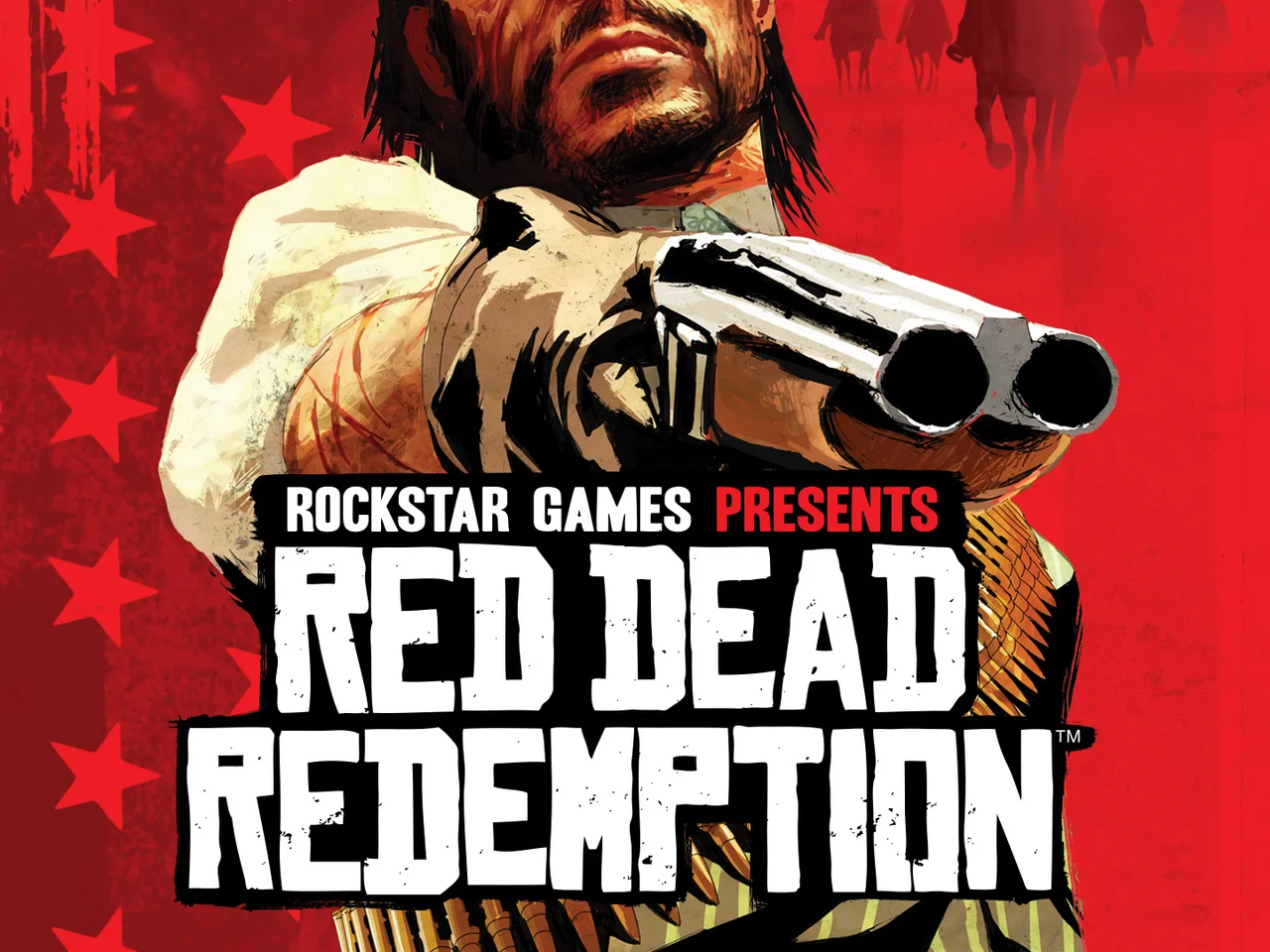
Two Rockstar Classics That Might Never Have Existed
Some videogames seem inevitable in hindsight.
Red Dead Redemption appears to be a natural extension of Rockstar's ambition to create expansive open worlds with memorable characters and ambitious storytelling.
Bully seems equally suited to the company's long-standing interest in social satire.
However, their development histories were considerably less predictable.
In an interview released by IGN on October 13, Dan Houser explained that both projects experienced multiple periods of uncertainty.
The former Rockstar co-founder and leading writer suggested that several circumstances could have prevented them from reaching completion.
GamesRadar+ highlighted the remarks on October 18, with other publications following the story.
One distinction matters: Houser describes games that nearly failed to materialize. He does not establish that Rockstar formally canceled either title and subsequently reversed that decision.
A Single Successful Build Can Change Everything
Houser emphasizes the unpredictable nature of game development.
A project may struggle for a considerable time before a new build suddenly brings its mechanics together.
He also points to the importance of teams that maintain a consistent creative direction despite unresolved problems.
Early builds do not always communicate what the finished experience might become.
An open world may contain impressive scenery but lack engaging activities. A combat system may function correctly without feeling satisfying. A narrative may exist before its missions successfully support it.
The project begins to develop a recognizable identity when those elements start working together.
According to Houser, both Red Dead Redemption and Bully experienced periods when reaching that point was far from guaranteed.
Red Dead Redemption Had to Discover What Made an Open-World Western Work
The original Red Dead Redemption, released in May 2010, remains one of Rockstar's defining games outside Grand Theft Auto.
It follows John Marston, a former outlaw forced to pursue members of his old gang across the changing American frontier.
The game combines exploration, horseback travel, gunfights and cinematic storytelling.
Yet Houser explains that the team gradually had to discover what would make an open-world Western genuinely engaging.
Creating that experience required far more than replacing Grand Theft Auto's cars with horses.
Travel distances, encounters, mission design and the atmosphere of the frontier all presented different challenges.
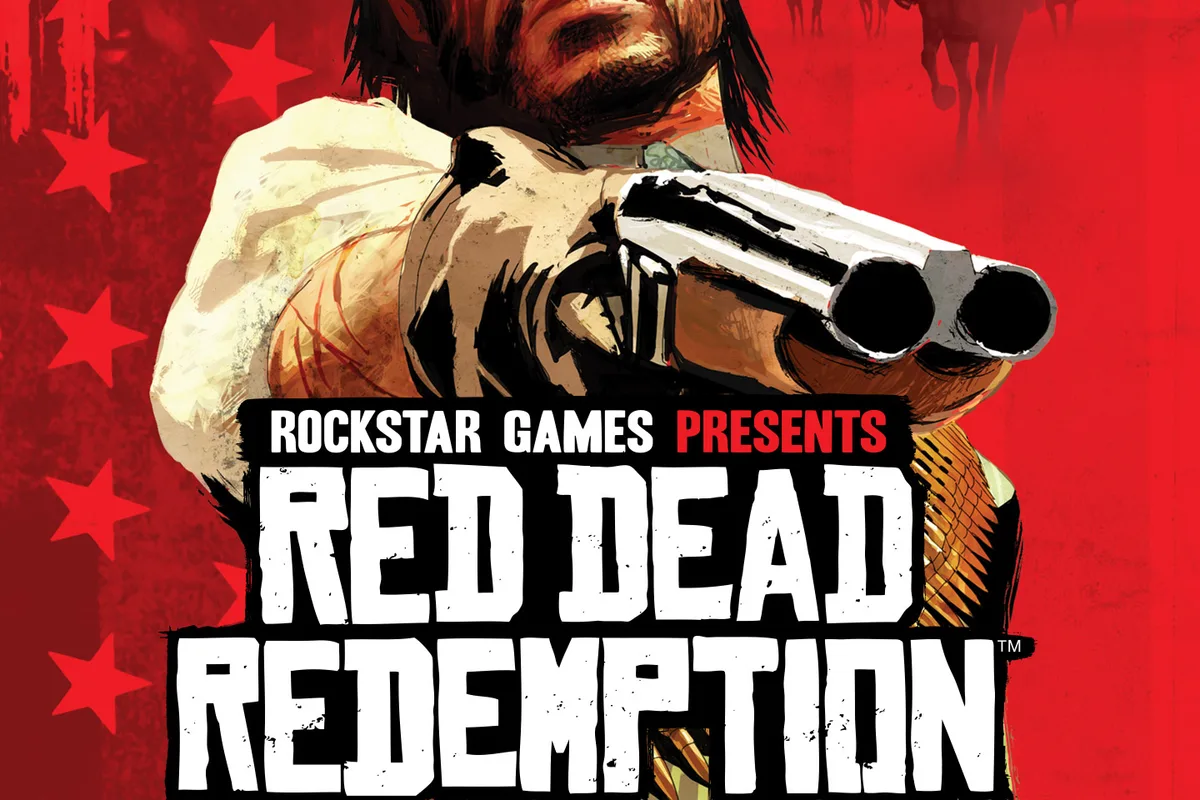
Houser credits the determination of key team members who maintained their creative focus through difficult periods.
Today, the result feels coherent. Long journeys contribute to the atmosphere, wilderness creates isolation, and the decline of the outlaw era supports the story.
Those strengths were not necessarily obvious before the game's systems began working together.
Bully Also Faced Critical Moments
Houser's account also includes Bully, originally released in October 2006.
The game offered a very different approach from Rockstar's established crime adventures.
Players control Jimmy Hopkins, a teenager attempting to survive the rivalries and institutional absurdities of Bullworth Academy.
Its open world is organized around a boarding school and the surrounding town rather than a major criminal metropolis.
Classes, pranks, confrontations and relationships form the experience.
The concept now appears perfectly suited to Rockstar's satirical identity, but Houser says it also experienced uncertain development periods.
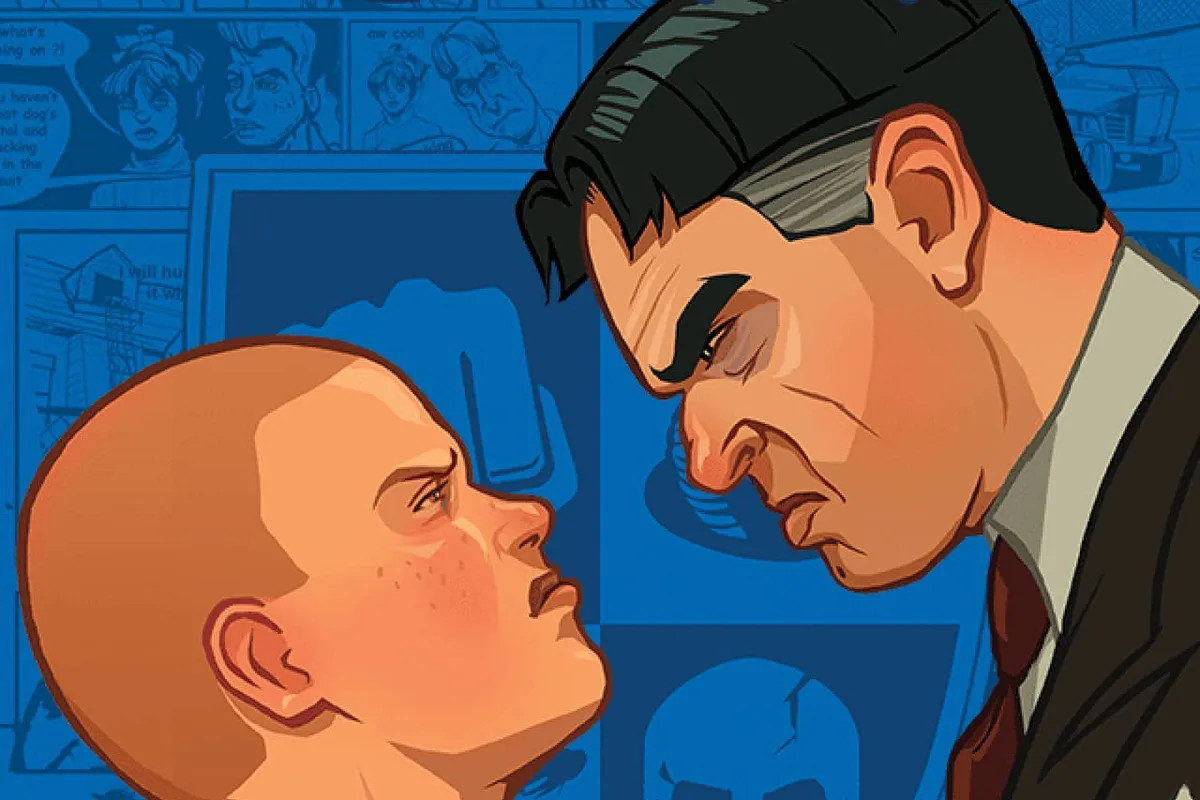
The interview does not provide a detailed explanation of every problem encountered.
It would therefore be misleading to identify a particular financial dispute, technical failure or executive decision as the proven cause of the game's difficulties.
Houser's testimony mainly reveals the gap between the confidence players now associate with the finished product and the uncertainty that existed while it was being created.
Why Are New Franchises Especially Difficult?
Houser distinguishes original productions from sequels within established franchises.
A sequel can often build upon recognizable mechanics, familiar expectations and technology developed for earlier games.
An original project must answer more fundamental questions.
Developers need to discover not only how the game works but also what makes it enjoyable and worth producing.
That uncertainty makes production decisions more difficult, particularly as budgets increase.
Houser suggests that simply completing some large original games is a remarkable achievement.
This does not mean sequels are easy to develop, only that new projects may lack the foundations established franchises already possess.
These Comments Are Not About a New Bully 2
Houser's remarks may revive disappointment about Bully's missing sequel.
However, the two topics should not be confused.
In September 2025, Houser explained in a separate interview that Bully 2 had not materialized partly because Rockstar's senior creative leadership could not pursue every potential project simultaneously.
He was describing organizational capacity rather than a simple lack of interest in Bully.
The October 2026 discussion primarily concerns the difficult development histories of the original Bully and Red Dead Redemption.
It does not announce that Bully 2 is returning to development.
There Is No Red Dead Redemption 3 Announcement Either
Discussion of another Red Dead Redemption installment regularly resurfaces among Rockstar fans.
Nothing in this interview establishes a new game announcement.
Red Dead Redemption 2, released in 2018, significantly expanded the series' storytelling ambitions.
However, Houser is discussing the creation of existing games rather than future development plans.
He left Rockstar Games in 2020 and does not speak as a current executive authorized to announce internal projects.
His account offers historical insight, not a roadmap.
Rockstar's Development History Looks Different From Behind the Scenes
The games industry often presents major releases through their finished form: impressive trailers, release dates and clear promises.
The preceding years receive much less attention.
Houser's recollections demonstrate how original projects can emerge from a long sequence of difficult problems.
Collective effort, persistence and well-timed breakthroughs may determine whether those projects reach players.
For Red Dead Redemption and Bully, the teams ultimately delivered two games that became central to Rockstar's catalogue.
That does not prove every abandoned project would have achieved similar success if development had continued.
It does encourage a more cautious view of troubled productions and early prototypes.
A game's final quality cannot always be inferred from the uncertainty of its first development stages.
Two Games That Could Have Been Missing From Rockstar's History
Bully and Red Dead Redemption now represent very different sides of Rockstar.
One uses satire to explore power and social divisions within a school. The other tells a melancholy Western about the end of an era.
Both demonstrate how Rockstar adapted its open-world expertise to settings far removed from Grand Theft Auto.
Yet their completion was not always assured.
Houser's October 13 interview, highlighted again on October 18, reveals an easily forgotten reality: some of a studio's most celebrated games began as fragile projects whose futures were far from certain.