
Review
Control Resonant Review: Remedy Trades Gunplay for Melee Combat, With Mixed Results

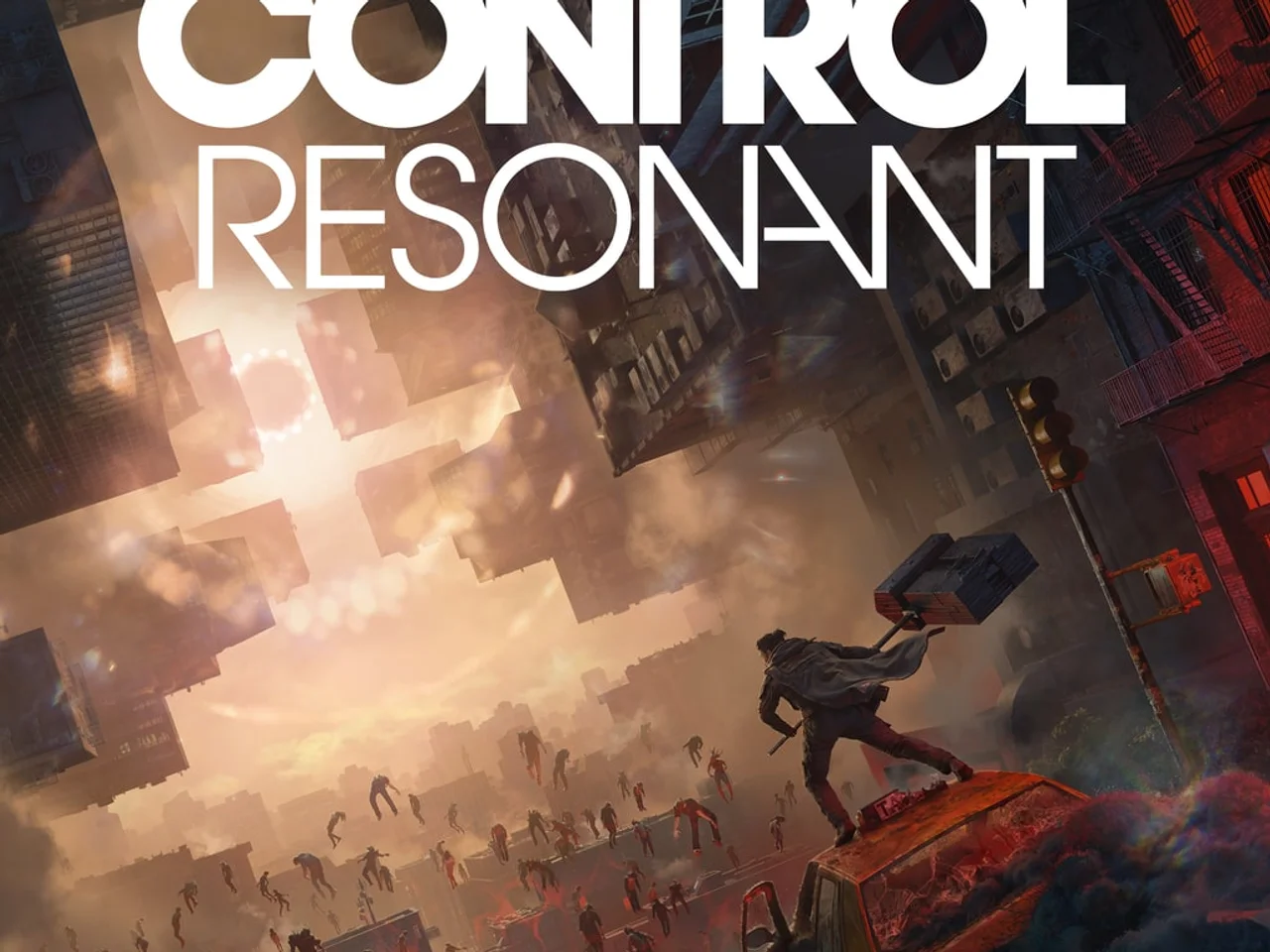
Remedy replaces Jesse Faden's gunplay with Dylan's shapeshifting melee weapons and trades the Oldest House for a supernatural Manhattan. The result is an ambitious action RPG with thrilling movement and strong progression, although its combat struggles to sustain the adventure's length.
Dylan Faden has inherited a particularly inconvenient family business. His sister has disappeared, Manhattan has become a supernatural catastrophe, and the Federal Bureau of Control needs someone capable of surviving an increasingly impossible city. Remedy responds by giving him a shapeshifting melee weapon, elaborate progression systems and a remarkable set of movement abilities.
Control Resonant is a substantial redesign rather than a conventional sequel. Jesse's combination of supernatural gunplay and telekinesis has given way to melee-focused combat, while the claustrophobic Oldest House has been replaced by an expansive Manhattan. The result is often exhilarating, although the systems do not all benefit equally from the increased scale.
Traversal is the game's strongest mechanic
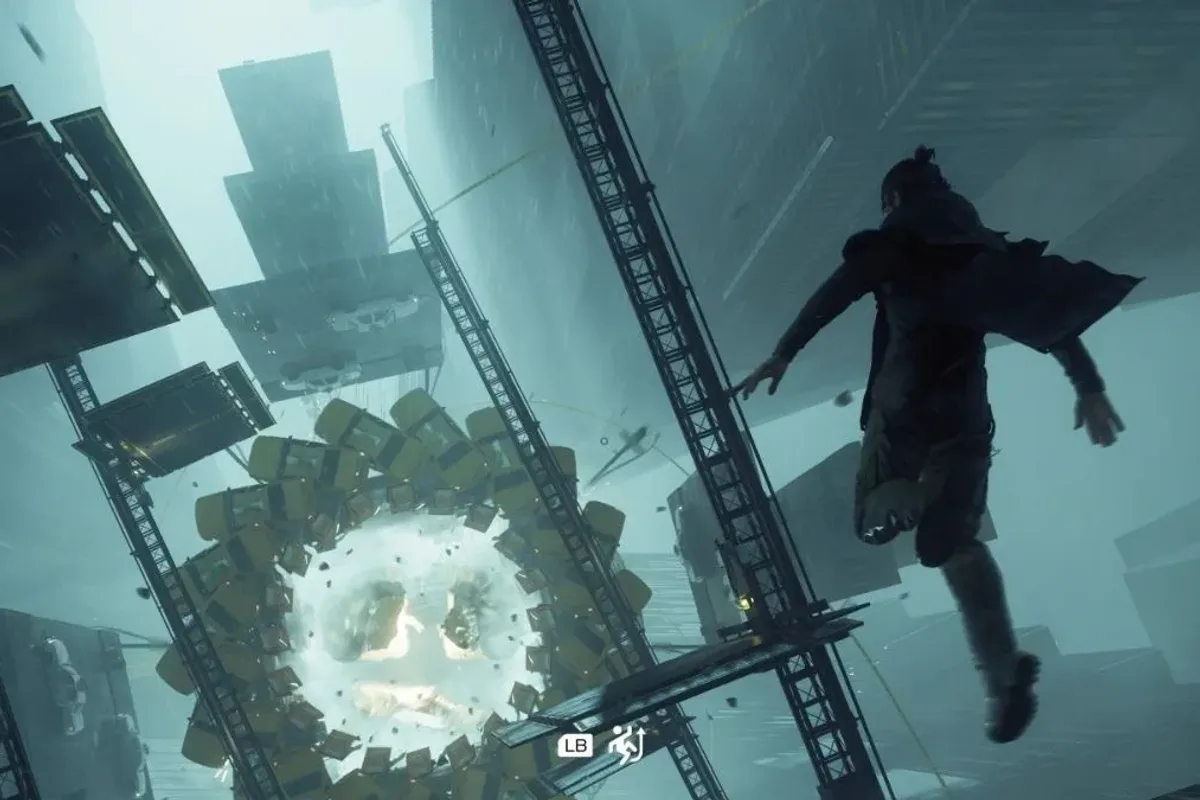
Manhattan is a playground of architectural impossibilities. Buildings fold into unnatural shapes, surfaces become pathways from unexpected directions, and gravity no longer behaves consistently. Dylan's movement abilities are built to make those disruptions enjoyable rather than merely decorative.
Multiple jumps and gravity-shifting traversal create a sense of physical freedom that becomes increasingly satisfying as the environment grows more complicated. Reaching an unusual rooftop or discovering a route through a distorted structure can feel like solving a small environmental puzzle.
The important achievement is that exploration rarely depends on realistic geography. Remedy can place objects, paths and destinations where they make little conventional sense, then invite players to understand the new relationships between them.
Optional discoveries and supernatural encounters encourage experimentation. Powerful Resonant bosses can be approached in different orders, providing an additional reason to explore beyond the main mission path.
Melee combat has depth, but not enough variety
The Aberrant is the centerpiece of the combat system. It transforms into different melee configurations, including blade-like, scythe-like and hammer-like forms. Each changes the relationship between attack reach, impact and enemy positioning.
Additional abilities and upgrades make the system more flexible over time. Specialization becomes increasingly meaningful as more options become available, and the game supports several approaches to combat.
Unfortunately, the early hours do not demonstrate those strengths particularly well. Encounters can feel limited before the most useful combinations have been unlocked. Enemy durability also creates problems, with some opponents requiring more punishment than their behavior justifies.
The contrast with the original Control is significant. Jesse's powers encouraged immediate improvisation, with gunfire and telekinetic attacks feeding naturally into one another. Resonant can deliver comparable moments, but they are less consistent across ordinary encounters.
Bosses provide a stronger showcase. Their extraordinary visual designs and demanding attacks make movement, timing and weapon choice matter more. Some victories also affect subsequent enemy behavior and distribution, giving these confrontations significance beyond the immediate reward.
Progression makes exploration worthwhile
The RPG systems establish a useful connection between combat, discovery and character development. Upgrades can meaningfully alter Dylan's capabilities, rewarding players who spend time exploring the city instead of rushing through the main narrative.
This structure helps the open world avoid becoming merely decorative. Optional activities contribute to the broader sense of developing a capable supernatural protagonist.
Balance remains inconsistent, however. A sufficiently developed build can turn combat into an enjoyable series of tactical decisions, but that level of freedom arrives relatively late. Some encounters continue to demand too much repetition even after the available toolset has expanded.
There is also a fundamental tension between scale and concentration. The original Control delivered a tightly connected environment where nearly every major space carried a distinct identity. Resonant offers considerably more freedom, but individual activities can become less memorable when repeated across a much larger location.
An ambitious sequel that sometimes fights itself
Remedy's environmental imagination remains exceptional. The strange logic governing Manhattan, the Bureau's disturbing documents and the game's supernatural encounters supply an atmosphere that few other action RPGs can match.
Its systems are less uniformly impressive. Movement and discovery consistently deliver fresh possibilities, while melee combat relies too heavily on a selection of recurring patterns.
Control Resonant is most successful when its mechanics reinforce one another: a gravity-defying approach, a carefully chosen attack, a supernatural ability and an unexpected escape route. It becomes less compelling when a lengthy encounter reduces those possibilities to repeated damage against an unusually resilient enemy.
The sequel deserves credit for changing so much. Its combination of progression, exploration and paranormal action establishes a distinct identity, even if it sacrifices some of the original game's mechanical immediacy. A memorable adventure with obvious strengths and a combat system that never quite reaches their level.
Strengths
- Inventive airborne and gravity-based traversal
- Rewarding exploration across a paranaturally distorted Manhattan
- Flexible RPG progression and multiple combat builds
- Memorable boss designs and worthwhile optional activities
- Excellent environmental storytelling and supernatural atmosphere
Weaknesses
- Repetitive melee encounters
- Excessively durable enemies
- Combat takes too long to reveal its full potential
- Occasional visual readability issues during crowded fights
- Open-world scale stretches some mechanics beyond their strengths
Control Resonant makes a convincing transition into action-RPG territory without fully mastering its melee combat. Extraordinary traversal, meaningful customization and a spectacularly distorted Manhattan make exploration consistently rewarding. Repetitive encounters and uneven enemy durability prevent its mechanics from matching the brilliance of its environments. An ambitious and enjoyable sequel whose greatest pleasures often lie between fights.