
Review
Gears of War: E-Day Review: Outstanding Cover Combat, an Overextended Campaign

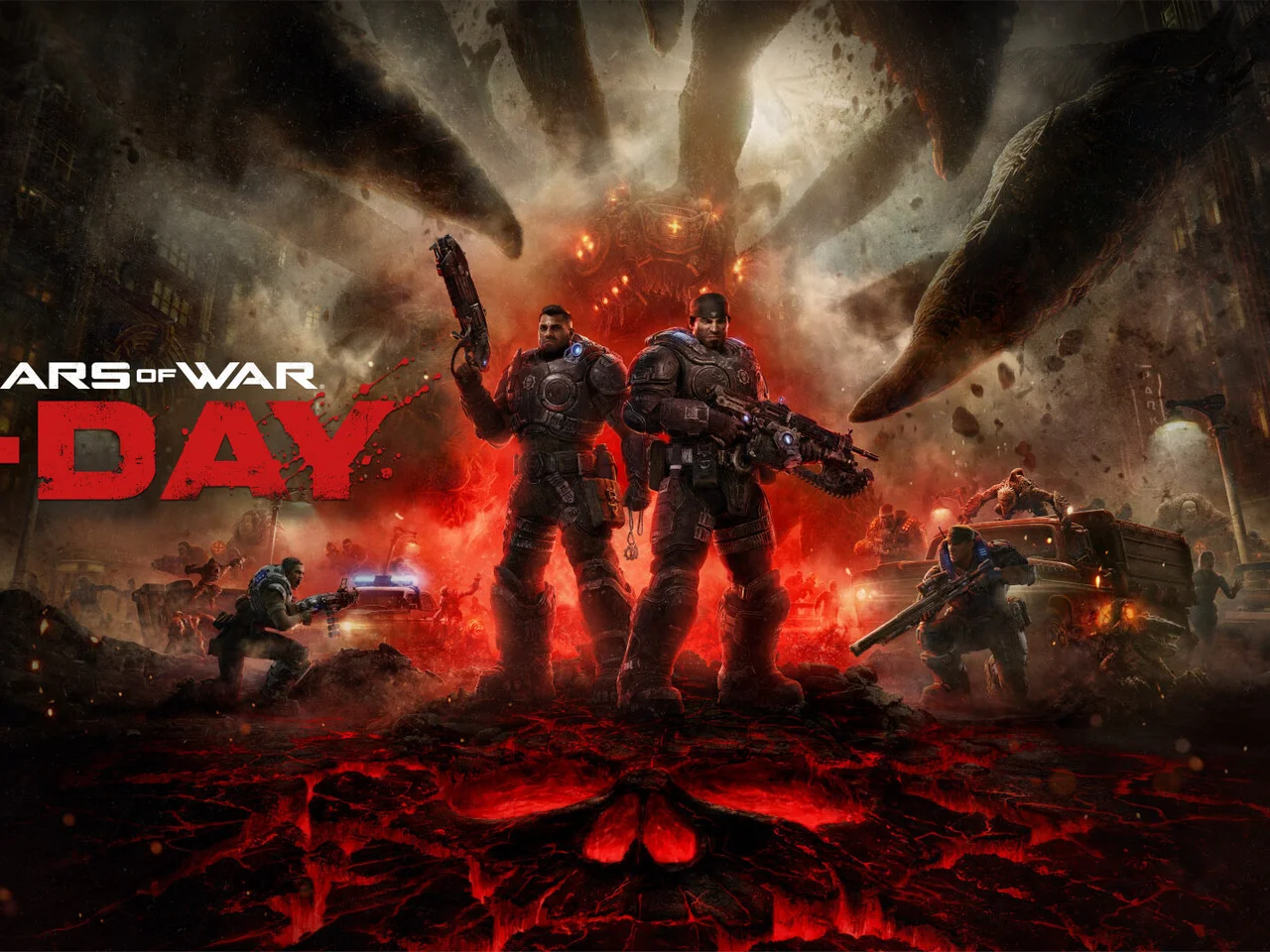
The Coalition rediscovers the brutality and precision that made Gears famous. Mobility improves, the Locust feel dangerous, and Siege makes cooperation genuinely rewarding. Unfortunately, the campaign dilutes its strongest ideas with unnecessary detours.
Gears Did Not Need to Become Something Else
Gears of War: E-Day succeeds first by restoring the authority of cover-based shooting without simply reproducing the past. The Coalition does not disguise an established formula with unnecessary reinvention. Players sprint, slide into cover, expose themselves to fire and calculate the risks of moving through open ground. Everything feels familiar, yet the execution is noticeably more fluid.
Weapon weight remains fundamental. A shot produces an impact, a reaction and often a tactical opportunity. Automatic weapons, precision firearms and heavier equipment retain distinct purposes. Satisfaction comes from matching them to the environment and enemy behavior rather than constantly chasing more powerful gear.
Movement Becomes a Tactical Tool Again
Improved mobility changes the rhythm of encounters. Flanking a firing line, switching cover and exploiting elevation are easier than before. Importantly, greater freedom does not make Marcus invulnerable while crossing exposed ground.
That balance defines the strongest battles. A safe position can become dangerous within seconds. Some enemies force players to relocate; others demand attention from several directions. Success is not simply about shooting accurately but recognizing when a position must be abandoned.
The Locust reinforce this dynamic through their aggression and varied behavior. They prevent encounters from being solved by remaining behind the nearest wall until the last enemy falls.
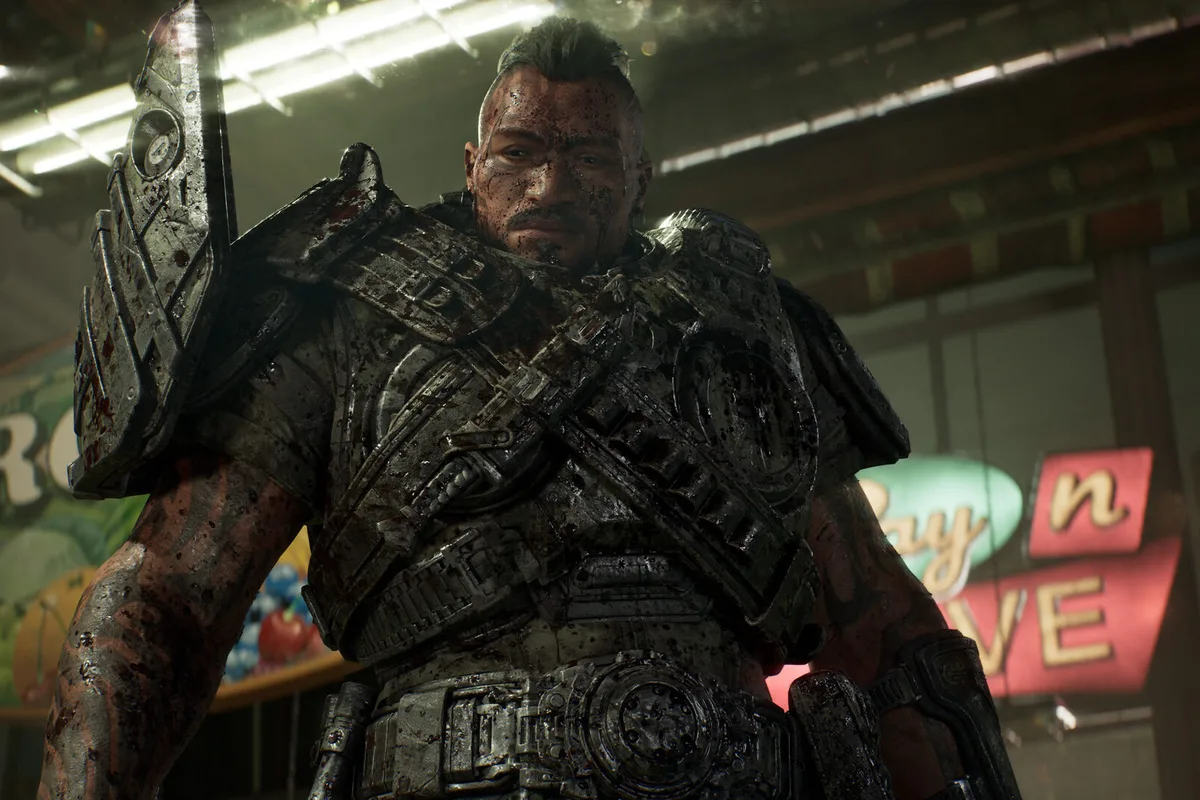
Spectacular Combat Can Still Become Exhausting
The campaign's problem is that it stretches its excellent fundamentals too far. The opening establishes weapons, introduces enemy types and creates tension through vulnerability. Later sections sometimes accumulate encounters without substantially changing what the player is asked to do.
Some arenas introduce repeated waves of resilient opponents long after the interesting tactical decision has already been made. The difficulty is not necessarily unfair; the structure simply becomes predictable.
Larger spaces bring another complication. Exploring Kalona and finding weapon modifications could enrich the journey, but these activities frequently interrupt momentum rather than growing naturally from it.
Weapon Progression Is Better Than Its Integration
Weapon modifications introduce meaningful variations and allow players to adjust equipment to different preferences.
Their place in the campaign is less convincing. Collecting resources and completing optional objectives sometimes feels like following a checklist while the story insists the city is collapsing around everyone.
The progression mechanics are not inherently poor. Their problem is that the surrounding adventure would benefit from a much tighter structure.
Siege Makes Better Use of Kalona
Siege takes the very elements that interrupt the campaign and gives them purpose. Up to twelve players, divided into four squads, operate in broad areas, complete objectives and improve their capabilities.
Detours now become team decisions. Gathering resources, defending a location or assisting another squad has immediate practical value. The freedom generates gameplay rather than competing with narrative urgency.
The mode refreshes cooperation without discarding Gears' defining firefights. Team positioning and adaptation become essential. Its encounters may still repeat familiar patterns, but the overall structure supports long-term play far better.
An Excellent Formula That Needs More Restraint
The campaign still delivers memorable set pieces and demanding encounters. Its strongest directed sequences balance pressure and readability exceptionally well.
Those achievements make the weaker stretches more obvious. A shorter, more selective campaign would have carried greater impact without losing its scale.
The 17/20 score recognizes excellent combat and a substantial cooperative offering. E-Day does not revolutionize Gears of War. Instead, it proves how effective the formula remains when applied with discipline, even if the campaign occasionally forgets that lesson.
Strengths
- Exceptionally physical, precise and readable firefights.
- Better mobility without abandoning the importance of cover.
- Weapons and enemy behavior encourage tactical decisions.
- Particularly effective cooperation in Siege.
- Impressive visual direction and combat spectacle.
Weaknesses
- Campaign overstays its welcome in the middle.
- Side activities undermine the story's urgency.
- Weapon upgrades sometimes feel mechanical.
- Certain combat arenas outlast their central ideas.
Gears of War: E-Day is defined by what happens between two pieces of cover. Its weapons hit hard, enemies demand movement, and cooperation brings renewed energy to the formula. Siege uses expanded spaces and layered objectives more effectively than the campaign. This is an excellent shooter whose excessive length and secondary systems prevent the story mode from matching the precision of its combat.