
News News Official
Saros used floppy disks, chicken and a didgeridoo to build its alien soundscape
The oceans of Saros were partly made from kitchen noises, while its first mechanical enemy borrowed sounds from floppy disks. Housemarque's newly detailed audio production reveals something more substantial beneath those unusual recording choices: sound is an essential part of surviving its bullet-hell combat.
 By Nolind SAROS
You would not normally associate frying chicken with the ocean of an alien planet. Housemarque's audio team found a use for it anyway. Combined with marinated chicken and walnuts moving around a bowl, those recordings helped create the sea heard in Saros's Yellow Shore.
The revelation comes from Loïc Couthier, Senior Sound Design Supervisor at PlayStation Studios, in an October 27 article examining the game's audio production. The studio wanted to develop the ideas established by Returnal without making Carcosa sound like a continuation of the same world.
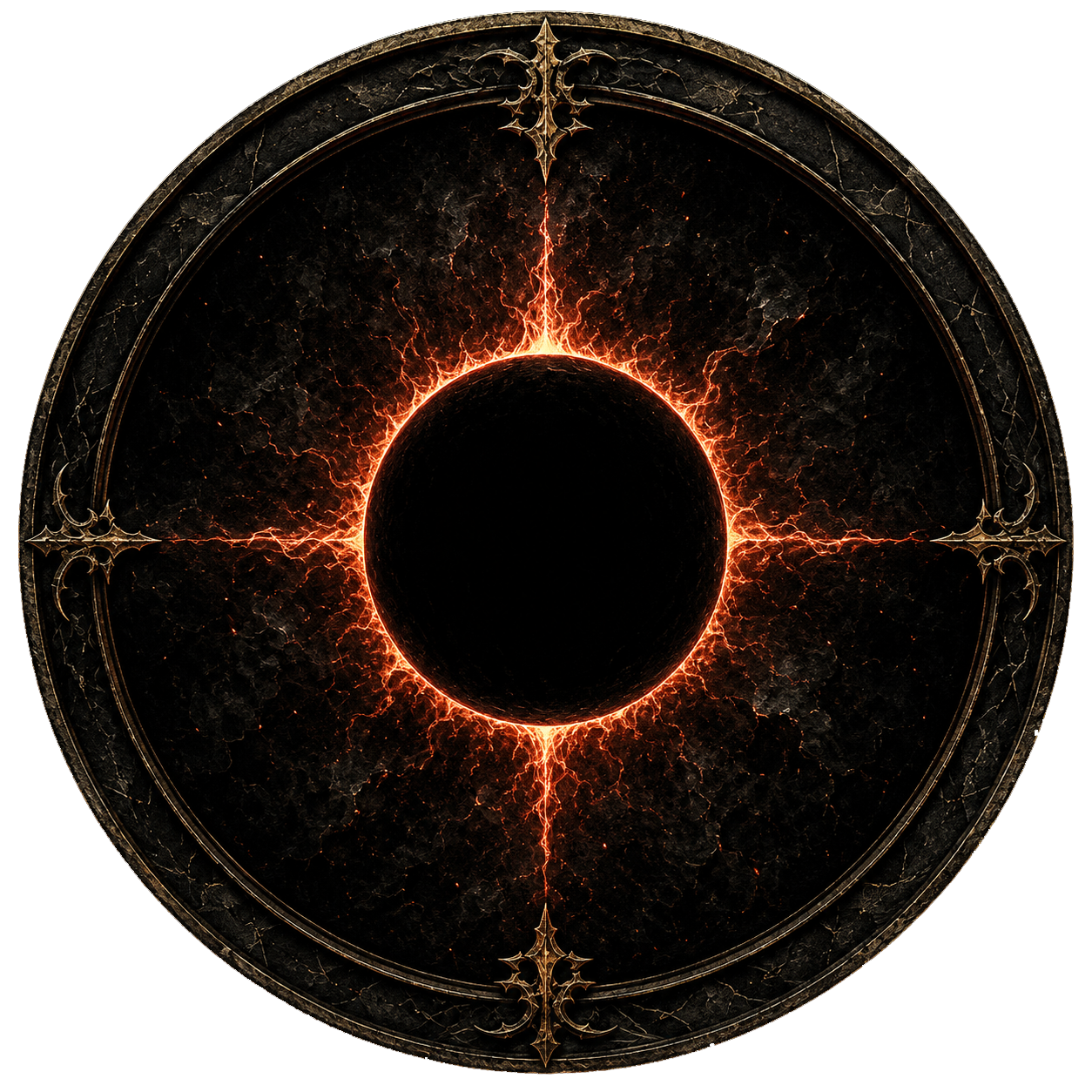
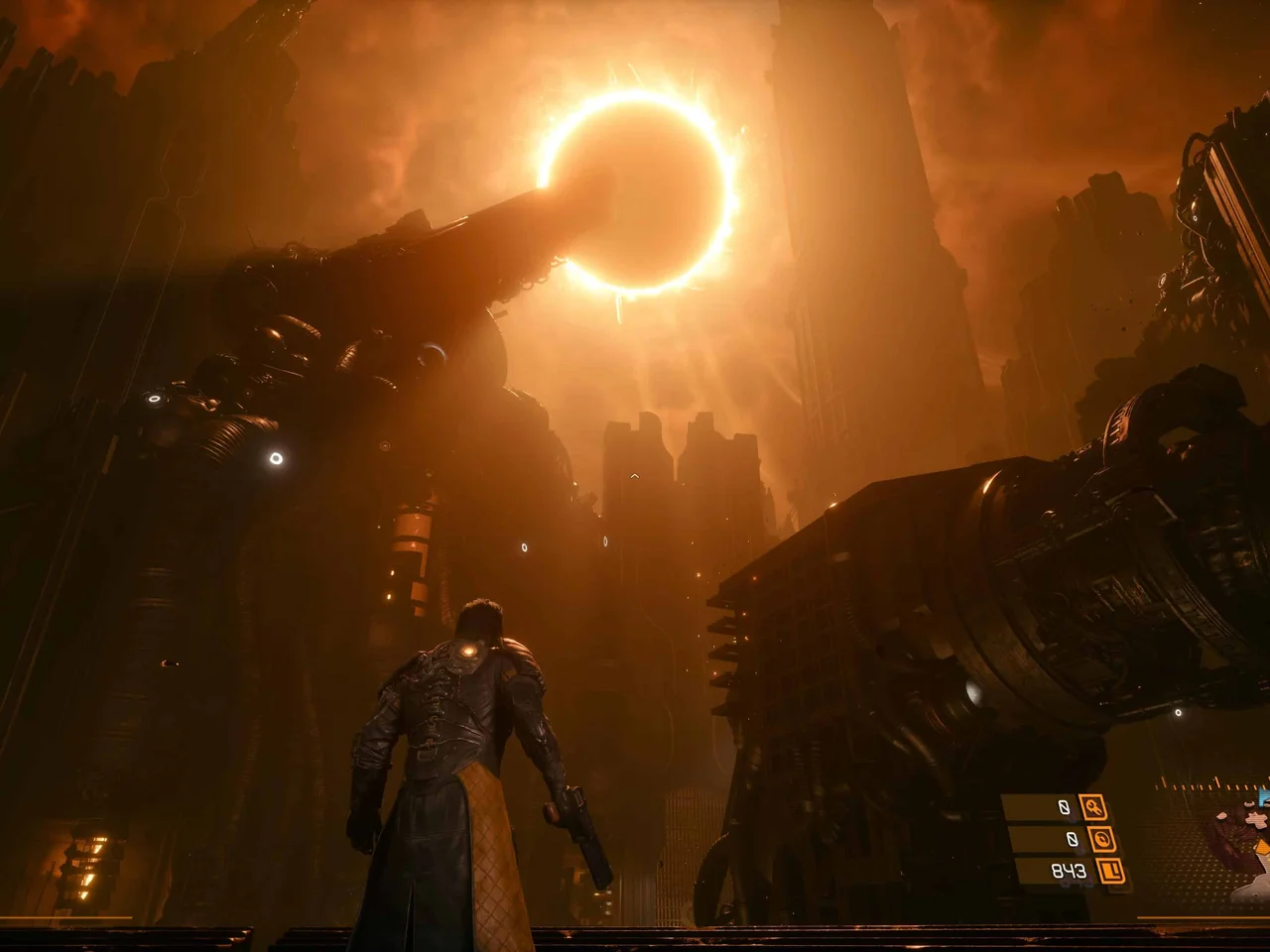
The difference begins with the Eclipse. Early didgeridoo recordings were manipulated into deep and unsettling textures, eventually informing the voice of the Yellow King and the wider sound language of the Corruption.
Every creature needs a recognisable voice
An evil mechanical drone encountered near the start of Saros uses processed recordings of floppy disks. Cosmic enemies draw partly on Mongolian throat singing, while higher-pitched vocal elements incorporate singers and instruments such as the shakuhachi.
Composer Sam Slater worked with distorted voices, guitars, synthesis and experimental textures. His musical approach was designed to interact with the sound effects instead of occupying a completely separate layer.
That gives Saros a distinctive range of sounds, but the more important design problem is recognition. A player surrounded by enemies needs to identify an incoming attack quickly enough to react.
Managing hundreds of competing sounds
Normal, Corrupted and Nova projectiles have different audio identities. Blue attacks use electric and liquid textures, yellow projectiles share the didgeridoo-derived Corruption language, and red attacks incorporate processed human screams.
Those differences support the visual language of the combat. When the screen fills with projectiles, audio can provide another way to distinguish threats and anticipate what happens next.
Housemarque also built a hierarchy into the mix. Enemy sounds are prioritised according to threat level, distance, visibility and combat state, while projectiles are grouped by category and proximity.
This helps prevent a familiar problem in complex action games: important cues disappearing beneath an overwhelming collection of simultaneous effects. The audio system is intended to preserve meaningful information rather than merely maximise the number of audible events.

Ammunition you can feel
The DualSense controller extends that approach beyond hearing. The haptic response changes frequency when a bullet-based weapon approaches an empty magazine, providing another indication without requiring players to look away from combat.
Weapons, interactions and story moments also have their own combinations of audio and tactile feedback. Housemarque developed the two systems together rather than treating vibration as a final layer of decoration.
The team has not supplied evidence that these cues produce measurable improvements in player reaction times. They do, however, illustrate the deliberate connection between the game's sensory design and its demanding combat.
Audio customisation includes independent music levels for combat and exploration, dialogue priority, high-frequency ringing reduction, bass and treble controls, and dynamic range settings.
The final mix was completed at Abbey Road Studios, where the team refined the soundscape for the finished PS5 experience. Saros has been available since April 30, 2026.